
International Driving Permit for Scooters in Phuket: What Tourists Must Know
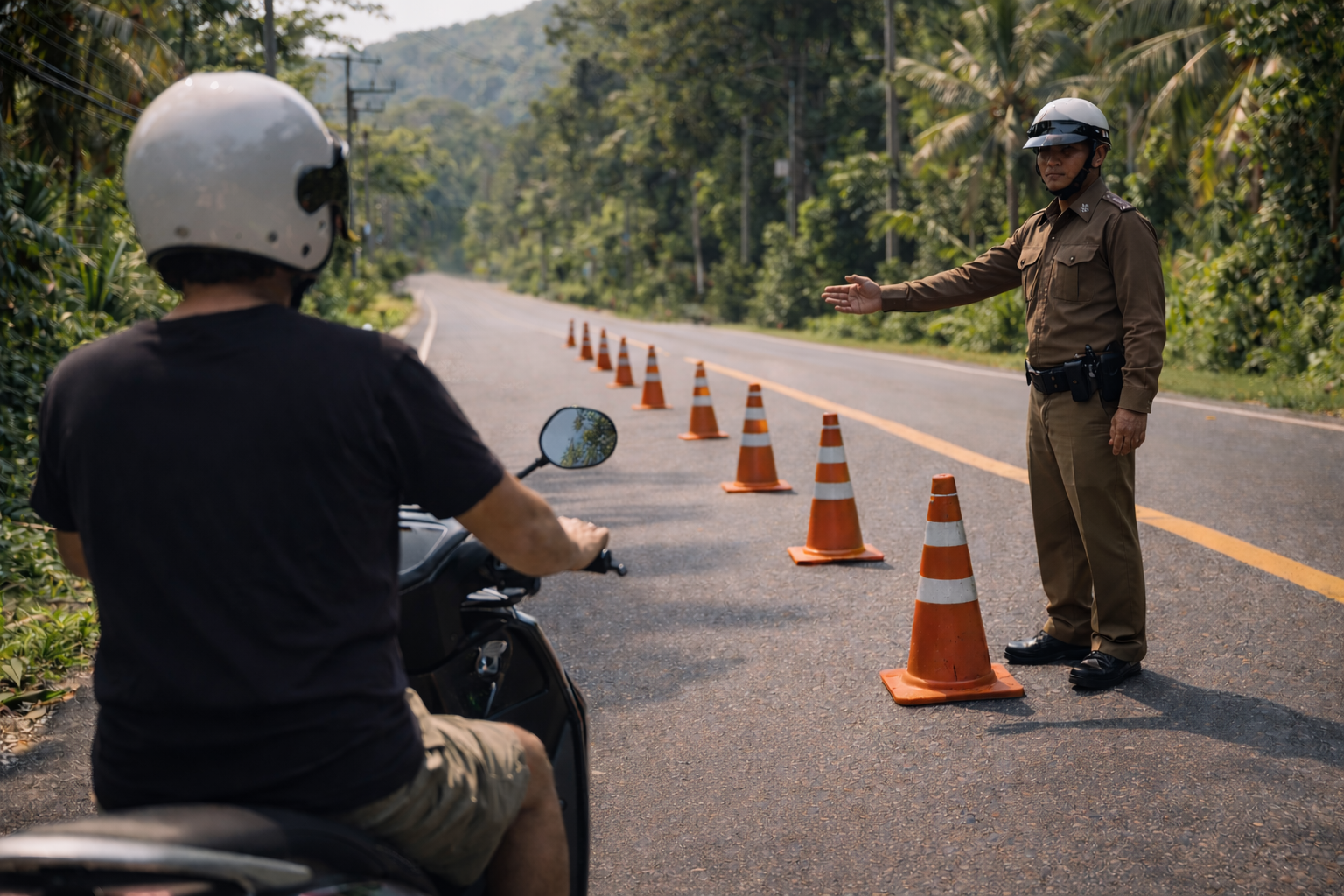
idp for thailand scooter
Tourists who plan to ride a scooter in Phuket must hold a valid international driving permit in Thailand that includes a motorcycle endorsement. Without this document, riding a scooter is not considered legally compliant under Thai traffic law. Police checkpoints remain active across the island, which means riders may be asked to present their documents during routine stops.
Many visitors ask the same question before renting: do I need an international driving permit for scooter in Phuket if I already have a driver’s license from my home country? The short answer is yes – the IDP confirms the correct vehicle category and supports insurance validity. The sections below explain what documents are required, how checks work in practice, and why the consequences go beyond a simple fine.
What Documents Must Tourists Carry While Riding?
On the road, legality depends on what the rider can actually present when stopped. A verbal assurance from a rental shop does not replace formal documentation. If the required papers are missing, incomplete, or do not match the vehicle category, the rider may not be able to prove lawful eligibility during the check.
For an IDP for Thailand scooter use, the core set of documents is straightforward. The rider should carry the home-country driving license, the International Driving Permit with the correct motorcycle category, and usually a passport copy. These are not optional extras for convenience. They are the documents that establish whether the rider is legally covered to operate the scooter at that moment.
Documents to Carry While Driving in Phuket
- valid national driver’s license;
- International Driving Permit with motorcycle category;
- passport copy;
- rental agreement copy, if available.
The practical takeaway is simple: roadside legality is decided by the documents in your possession, not by assumptions or verbal confirmation.
Police Checkpoints in Phuket: Are They Still Checking?
Yes, checkpoints are still part of everyday traffic control in Phuket. They are not rare events or something aimed only at unusual situations. In tourist-heavy areas such as Patong, officers continue to stop riders and carry out routine document checks, especially where scooter traffic is dense and visible.
In practice, these stops are usually quick. Officers often look first at helmets and then at the rider’s license documents. That is where scooter license requirements in Thailand become relevant in a very direct way: if the rider cannot produce the proper papers, the issue appears immediately at the roadside. The stop itself is usually procedural rather than confrontational, but it still confirms one important fact – the legal requirement is actively enforced.
This is why the document question should not be treated as theoretical. Police checks remain a normal part of traffic control in Phuket, and tourist areas continue to be common places where riders are asked to show what they carry.
What Happens If You Ride Without an IDP?
Riding a scooter without the proper documentation creates an immediate administrative problem if the rider encounters a checkpoint. When officers ask for documents and the rider cannot present a valid international driving permit in Thailand with the appropriate category, the situation is treated as a traffic violation.
In most cases, the result is a roadside fine. The process is typically straightforward: the officer explains the violation, and the payment is handled on the spot or through a nearby station depending on the location. The interaction itself is usually brief, but it still interrupts the trip and turns a routine stop into a legal issue.
Another practical point is repetition. If a rider continues traveling without proper documents, another checkpoint later the same day can lead to the same situation again. The stop becomes more than a warning – it becomes a recurring inconvenience tied to the same missing requirement.
The fine is therefore only the first visible consequence. More important questions arise once documentation affects other aspects of responsibility.
Insurance Consequences of Riding Without Proper Documents
The more serious consequence of riding without proper documents appears after an accident, not during a checkpoint. Insurance coverage usually depends on whether the rider was legally allowed to operate the vehicle at the time of the incident. If the rider cannot show a valid license together with an IDP that includes the correct category, the insurer may determine that the policy conditions were not met.
When that happens, coverage may be reduced or refused entirely. This can affect medical expenses, third-party liability, or damage to the rented scooter depending on how the policy is structured. Documentation therefore protects more than legal status on the road.
In practice, insurers usually review the documentation after the incident rather than before it. If the rider cannot confirm the correct license category and valid IDP at that moment, the claim review may focus on whether the rider was legally allowed to operate the vehicle at all.
Car License vs Motorcycle Endorsement: What Actually Qualifies?
Many visitors assume that a regular car license is enough to ride a scooter while traveling. In Thailand, that assumption is often incorrect. Legal eligibility depends on the vehicle category listed in the rider’s license and the corresponding entry in the International Driving Permit.
A standard car license does not automatically authorize scooter riding under scooter license requirements in Thailand. The IDP simply reflects the categories already granted by the home license. If the home license does not include motorcycle permission, the IDP will not add it.
The key term is “motorcycle endorsement.” It means the rider has been officially licensed to operate motorcycles or scooters, not just passenger cars. The endorsement must appear on the national license and be mirrored in the IDP.
Common Misunderstandings Tourists Rely On
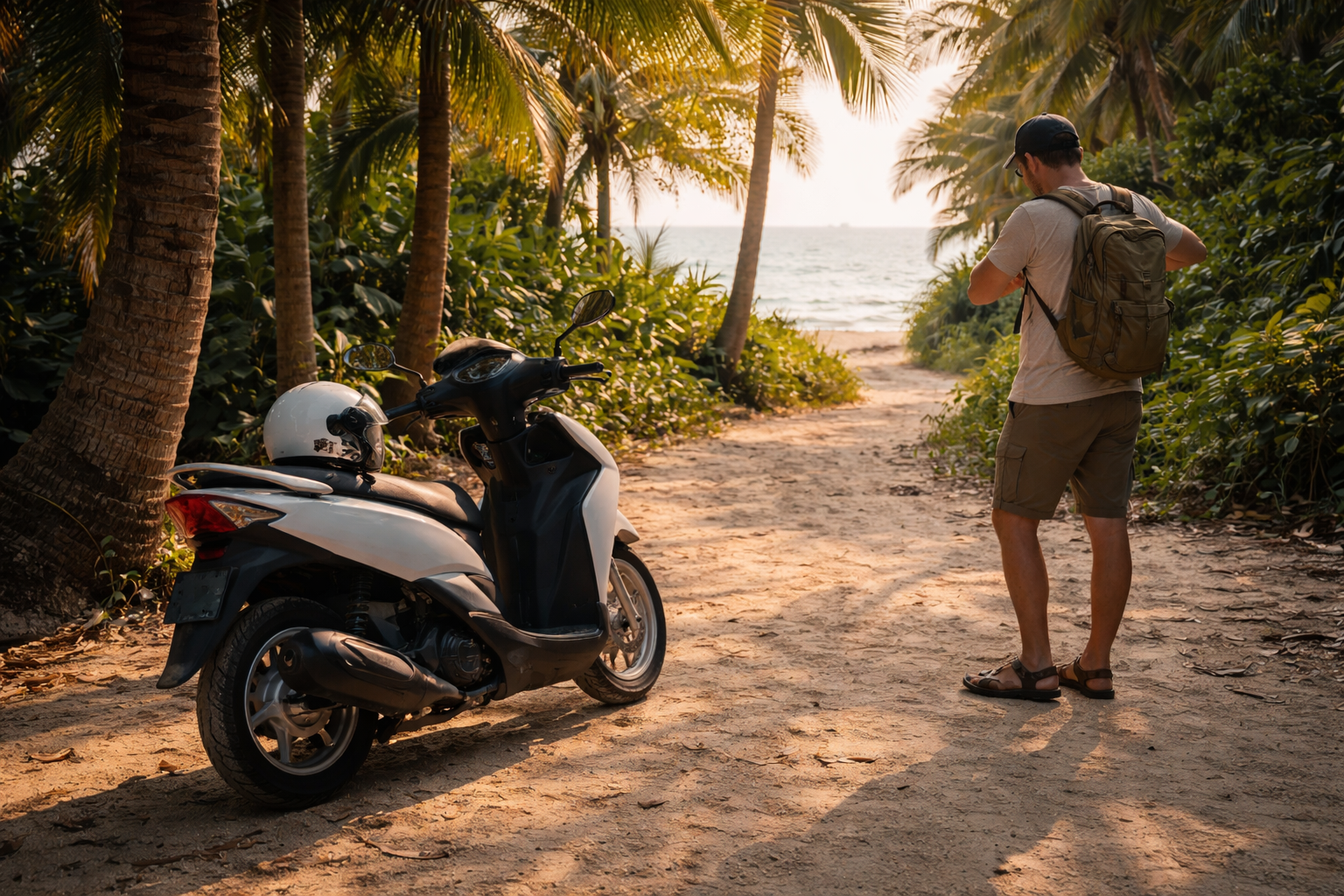
do i need an international driving permit for scooter in phuket
Most tourists do not ignore the rules on purpose. The problem is usually a set of assumptions that sound reasonable but fail under actual enforcement. One common belief is that police no longer check regularly. In practice, document checks still happen, especially in busy tourist zones.
Another mistake is thinking that a small 125cc scooter somehow falls outside motorcycle licensing rules. It does not. The vehicle category still matters. A similar misunderstanding appears when riders assume that if a rental shop handed over the scooter, the legal side must already be covered. That is not how liability works. A rental transaction does not override national law.
The same applies to document photos. A picture stored on a phone may feel convenient, but it does not automatically satisfy a roadside check or an insurance review after an incident.
These assumptions persist because they are easy to believe. Legally, though, they do not hold up once documents are actually examined.